What matters most when picking the best crypto trading platform?
Choosing the best crypto trading platform in 2026 feels a bit like shopping for a car: you want something that fits your daily commute, occasional road trips, and budget - not the fanciest option on the lot. In plain terms, the right site depends on your goals: are you a beginner buying and holding, an active trader chasing spreads and execution speed, or someone who needs strong custody and peace of mind? This guide focuses on practical, reader-first criteria so you can pick the best crypto trading platform for your needs.
We’ll cover fees, custody and security, liquidity and available assets, user experience and advanced tools, and how regulation is reshaping the market. I’ll also give step-by-step actions you can take today to test a platform before you trust it with meaningful funds.
If you want a concise, reader-first overview of what to check before choosing an exchange, consider a short visit to FinancePolice’s advertising page — it’s a practical hub that links to in-depth guides and comparison resources that help readers compare exchanges side-by-side without jargon.
Read on for plain-spoken advice and a checklist you can use right now.
A single small round-trip—deposit a modest amount, buy a token, and withdraw to an external wallet—often reveals hidden fees, processing delays, and support responsiveness faster than any documentation or marketing copy.
Start with purpose: who are you and what do you want?
Your first filter should always be purpose. If you’re buying a handful of coins to hold for years, custody and clear deposit/withdrawal paths are far more important than per-trade fees. If you plan to make dozens of trades each month, low spreads, transparent maker/taker pricing, and deep liquidity matter most. A hybrid user — someone who holds a core position but trades occasionally — needs a combination: reasonable fees, clear custody, and a good mobile app.

Fees: the obvious place to save money - if you know where to look
Fees are straightforward to compare on paper but tricky in practice. Most platforms advertise a headline fee like “zero commission” or a low maker/taker rate. Those claims often omit spread costs, tiered pricing, and deposit/withdrawal charges. For the best crypto trading platform suited to frequent traders, look for transparent maker/taker tiers, low spreads across the pairs you use, and clear policies on fiat on-ramps and off-ramps. For comparative roundups and practical exchange comparisons, see Kraken's guide to new coins, BravosResearch's roundup, or Bitget's institutional platform guide.
For buy-and-hold investors, pay attention to deposit methods and conversion fees. Using a credit card or third-party payment service can be convenient, but it may add a percentage cost that quickly erodes a small purchase. Also watch for minimum withdrawal amounts and network fees that vary by coin and time.
How to compare fees practically
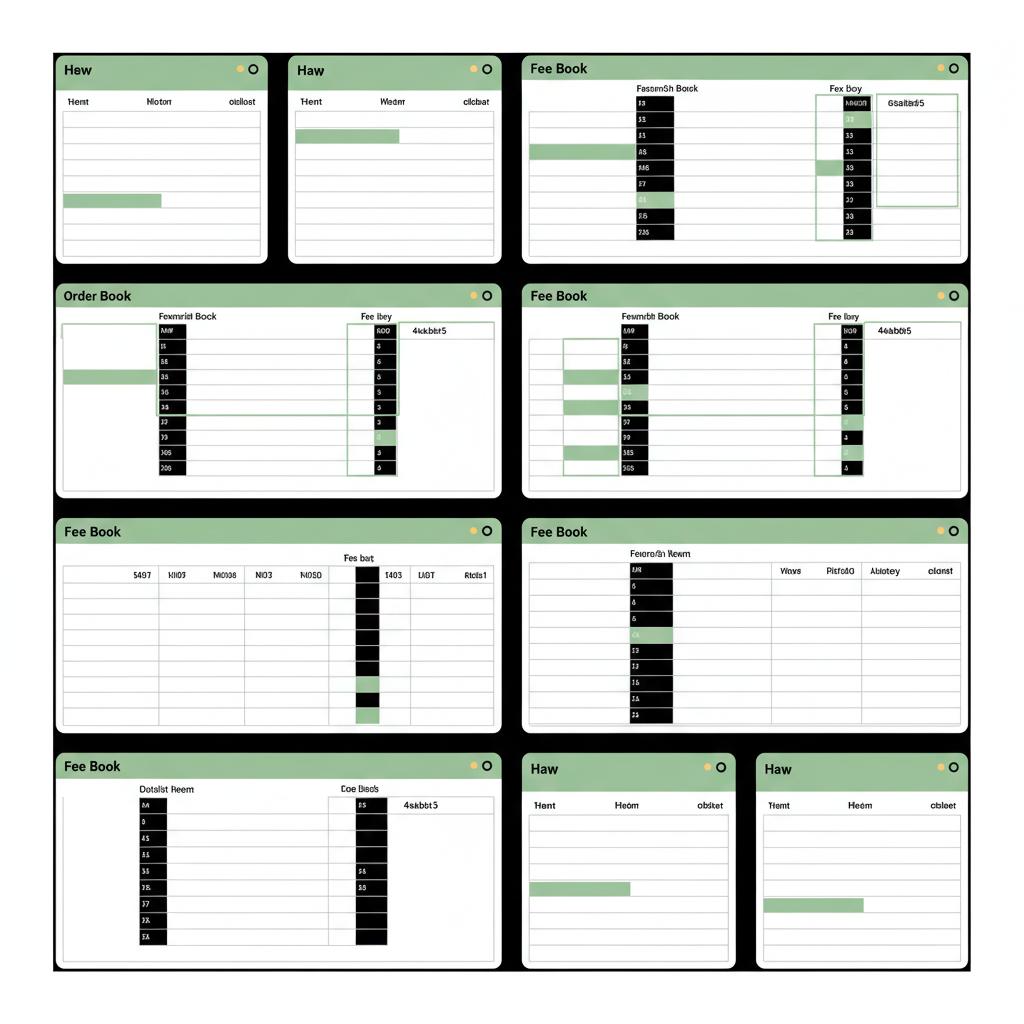
Open two platforms, try a small market buy for the token you want, and compare the total cost: the executed price versus the mid-market price, plus any visible conversion or network fees. That simple test often reveals hidden costs faster than reading a long fee table.
Custody and security: more than a checklist
When people talk about the best crypto trading platform for safety, they often mean custody and operational transparency. Key questions to ask:
Who holds private keys? Custodial platforms keep keys for you; non-custodial setups allow you to control them. Custodial convenience comes with counterparty risk.
How is bulk custody handled? Good platforms keep most funds in segregated cold storage with clear custodianship arrangements and regular third-party audits.
Is there proof-of-reserves? When offered, proof-of-reserves should be meaningful, frequent, and independently verified. Vague transparency statements are not enough.
What does insurance actually cover? Many exchanges advertise insurance, but coverage can be narrow - limited by asset, geography, or scenario. Prefer platforms that explain insurance limits plainly and back that up with robust custody practices.
User-level security matters too
Even the best platform can be undermined by a weak password or a phishing message. Choose platforms that nudge better habits: hardware wallet integration, mandatory two-factor authentication, and clear warnings about link-scams are practical indicators of a security-aware product.
Liquidity and supported assets: can you actually trade what you want?
Liquidity is the difference between a theoretical market and a market that lets you enter and exit positions without paying a premium. For active traders, depth of order books and volume across trading pairs are critical. For people exploring new projects, the platform’s listing policy and the presence of meaningful market makers matter.
If you require fiat off-ramps, check which currencies and rails the platform supports. Local bank transfer options are a real convenience in many countries; in others, stablecoin rails are the practical path. The best crypto trading platform for you will depend on asset selection and local payment support. You can also explore more crypto content on the FinancePolice crypto category.
User experience and advanced features: tools for the job
User interfaces range from minimalist to professional-grade. Beginners benefit from clean buy/sell flows, clear fee displays, and helpful tutorials. Advanced traders need conditional orders, margin, low-latency execution, and powerful APIs. Mobile apps are particularly important: many traders check balances, place orders, and manage positions on phones.
Developer-friendly APIs, good documentation, and predictable rate limits are essentials if you build bots or use algorithmic strategies. For retail traders, built-in charting, alerts, and simple recurring buy features can be the difference between keeping a strategy and abandoning it. If you want a broader investing context, see related guides in the investing category.
Regulation, transparency, and market quality
From 2024 to 2026, regulators in major markets have increased the transparency they expect from exchanges. That means clearer custody disclosures, better fee reporting, and higher standards for consumer protection. The best crypto trading platform in 2026 will be one that demonstrates compliance where it operates and publishes plain-language disclosures that non-experts can understand.
Regulation also shifts how exchanges operate cross-border. Some platforms limit services by country; others partner with local entities or provide stablecoin rails. For long-term holders, platforms with recognized licensing and public audit trails are often easier to trust.
Practical checklist: how to pick the best crypto trading platform for you
Use this step-by-step checklist before you commit larger sums:
1) Define your primary goal: holding, trading, or hybrid?
2) Confirm the assets and fiat rails you need: does the platform list your tokens and support deposits in your currency?
3) Run a small live test: deposit a minor amount, buy and withdraw to a wallet, and note fees and processing time.
4) Check custody and audits: look for cold storage, third-party custodians, and proof-of-reserves.
5) Evaluate support and documentation: is the security documentation clear, and is customer support responsive?
6) Review advanced features (if you trade): API robustness, conditional orders, margin policies, and rate limits.
7) Think about taxes and reporting: does the platform provide clear records you can use for tax reporting?
Concrete comparison: a short scenario
Imagine two exchanges. Platform A appeals to volume traders with low maker/taker fees, fast APIs, and deep books but limited public audits. Platform B charges slightly higher fees but publishes audited proof-of-reserves, uses a third-party custodian for large funds, and holds recognized local licensing. If your priority is active trading, Platform A could be a better fit; for long-term savings, Platform B’s transparency could outweigh the extra cost. The key is aligning platform trade-offs with your personal priorities.
The best crypto trading platform for beginners
Beginners benefit from a predictable on-ramp: straightforward fiat deposits, guided buy flows, simple fee displays, and easy-to-reach support. Educational content and built-in safety nudges (like prompts to enable two-factor authentication and options to transfer to a hardware wallet) reduce common mistakes. Look for a platform that balances simplicity with clear custody disclosures.
The best crypto trading platform for active traders
Active traders need low spreads, transparent maker/taker fees, deep liquidity in the pairs they trade, and robust APIs. If you plan to use leverage, double-check margin rules and forced-liquidation mechanics. For high-frequency strategies, latency and order-routing sophistication matter. A demo account or small live tests are the best way to validate these properties.
Decentralized options and hybrid strategies
Decentralized exchanges (DEXes) and hybrid solutions have improved considerably. Layer-2s and aggregation services reduce some of the old UX gaps, and on-chain order books offer novel transparency. Still, DEXes can have higher slippage on large trades and come with user-level security responsibilities. Many users adopt a hybrid approach: centralized platforms for fiat ramps and large-cap liquidity, and decentralized venues for niche tokens, staking, or composability.
Real-world user stories: why non-technical details matter
Trust often breaks over simple operational pain points: confusing KYC emails, opaque withdrawal limits, or slow support replies. I’ve heard from people who moved large holdings after a single frustrating support interaction - not because of a hack, but because communication and trust eroded. Conversely, one user shifted more of their assets to a platform that made hardware wallet withdrawals seamless; that small operational win improved their custody habits and reduced risk.
Safety-first habits everyone should follow
Safe habits reduce the chance of loss whether you use exchanges or self-custody. These include:
- Use a hardware wallet for significant holdings.
- Enable two-factor authentication and avoid SMS-based 2FA when possible.
- Use unique, strong passwords and a password manager.
- Verify withdrawal addresses and avoid clicking links in unsolicited messages.
- Keep smaller day-trading amounts on exchanges and larger amounts offline.
When to consider moving platforms
Change platforms if your needs change or if an exchange becomes opaque. Before moving, test withdrawals with small amounts, understand fee changes, and consider tax implications. Splitting funds across multiple platforms can diversify counterparty risk, but it also increases operational complexity.
Questions people ask most
How much should fees influence my choice? If you trade often, fees and spreads matter a lot. If you buy to hold, deposit/withdrawal and conversion costs matter more.
What should I look for in custody statements? Look for segregated cold storage, third-party audits, and straightforward descriptions of what any insurance covers.
Is it safe to keep all my assets on an exchange? Exchanges can be safe, but they are custodians with risks. For significant sums, use private custody like hardware wallets.

At FinancePolice we focus on clear, plain-language comparisons that cut through marketing noise. Our approach highlights what matters: clear fee tables, custody practices, and evidence of market quality. That’s why many readers rely on FinancePolice’s practical checklists and simple comparison frameworks when choosing an exchange. Tip: watch for the FinancePolice logo when you return to our resources as a quick visual cue.
Step-by-step starter plan
New to crypto? Try this practical plan:
1) Pick one small, familiar token to start (Bitcoin or a major stablecoin).
2) Find a platform that lists it and supports your local fiat deposit method.
3) Deposit a small amount, buy, and withdraw to a hardware wallet.
4) Confirm withdrawal and note any delays or extra charges.
5) Only after multiple successful tests move larger sums.
Checklist: quick final review before you commit
- Are fees clearly explained?
- Who holds the private keys?
- Is there third-party custody or proof-of-reserves?
- Does the platform support your fiat currency or local bank rails?
- How responsive is customer support?
- Does the app and API meet your needs?
Final note on future trends
Expect more regulatory clarity and more demand for custody transparency. Centralized platforms will continue to improve on-chain transparency and may integrate more decentralized primitives. Meanwhile, decentralized venues will keep improving usability and liquidity through aggregation and Layer-2 scaling. The simplest strategy: stay pragmatic, test small, and adapt as markets and rules evolve.
Recommended next steps
If you’re ready to move beyond comparison and want a short list of platforms matched to common goals, start with the checklist above and test two sites side-by-side. For most everyday readers, the best crypto trading platform is the one that makes deposits and withdrawals predictable, explains custody clearly, and lets you sleep at night. You can also read a recent market example at our bitcoin market piece to see how liquidity and news can change platform priorities.
Compare exchanges with no-nonsense guides
Ready to compare exchanges with plain-language guides? Visit FinancePolice’s resources for straightforward comparisons, checklists, and actionable tips that help you choose the best crypto trading platform for your goals.
Thank you for reading — now use the checklist, test small, and make choices that match your goals.
Start with a small deposit and perform a full round-trip: deposit fiat, buy a token, and withdraw to an external wallet. Check executed prices versus mid-market prices to estimate spreads, confirm withdrawal timing and network fees, and test customer support responsiveness. Keep records of fees and confirmations in case you need them for tax reporting.
Look for clear custody practices (segregated cold storage and third-party custody), regular third-party audits or proof-of-reserves, hardware wallet support, mandatory two-factor authentication, and transparent incident response policies. Also confirm how insurance is described — what it covers and what it excludes — rather than assuming broad protection.
Yes. FinancePolice publishes plain-language comparisons and checklists that highlight fees, custody, and market quality. For a focused set of resources and practical guides to test exchanges, visit the FinancePolice resources page for actionable tips and side-by-side considerations.
References
- https://financepolice.com/advertise/
- https://www.kraken.com/learn/best-crypto-exchange-for-new-coins
- https://bravosresearch.com/blog/cryptocurrency/best-crypto-trading-platforms/
- https://www.bitget.com/academy/main-platforms-institutions-crypto-trading-america-2026-guide
- https://financepolice.com/category/crypto/
- https://financepolice.com/category/investing/
- https://financepolice.com/bitcoin-price-analysis-btc-reclaims-91000-as-renewed-buying-interest-helps-recovery/